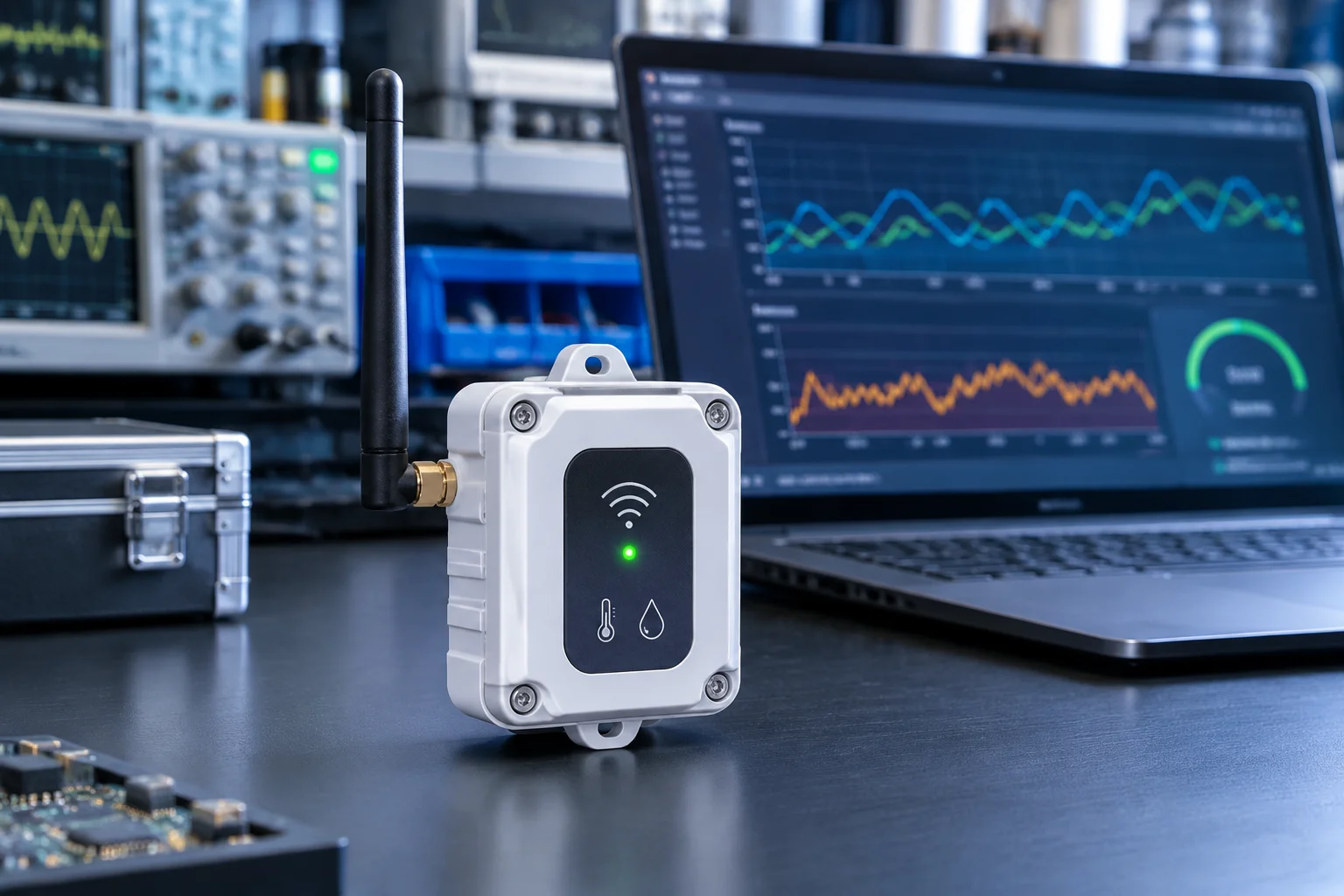

Building a connected device starts with silicon, but it lives or dies by its software. When a sensor fails in a remote agricultural field or a smart meter drops its network connection, the root cause is rarely the circuit board itself. More often, it lies in poorly optimized firmware, unhandled edge cases in communication stacks, or memory leaks hidden deep inside the microchip.
At Greenfield Mecatronics Ltd, we approach embedded development with a healthy respect for physical constraints. Memory is scarce, power budgets are tight, and hardware rarely behaves the exact way the datasheet promises. Writing software that survives these realities takes patience, deep technical knowledge, and an understanding of how code interacts with physical current.
The Anatomy of Robust Firmware
Good firmware does not draw attention to itself. It boots cleanly, polls sensors with surgical precision, transmits data without dropping packets, and slips back into low-power sleep mode before the battery even notices. Achieving this balance requires writing lean, purpose-built code rather than relying on bloated generic libraries.
Every microcontroller handles interrupts, clock cycles, and peripheral registers slightly differently. Developers who treat all chips the same usually end up with sluggish devices that overheat or drain batteries in days. By tailoring the software directly to the hardware architecture, engineers extract maximum performance from modest silicon components.
- Writing memory-safe code for resource-constrained devices
- Optimizing sleep states to extend battery longevity
- Managing peripheral registers without unnecessary overhead
- Configuring watchdog timers to prevent system lockups
- Handling asynchronous sensor inputs reliably
Sensors are the eyes and ears of any IoT deployment. Whether measuring soil moisture, industrial vibration, or ambient temperature, they sit at the edge of the network where environmental conditions fluctuate wildly. The software must account for signal noise, voltage drops, and sudden temperature spikes without crashing or sending garbage data back to the server.
Bridging Hardware and Software Integration
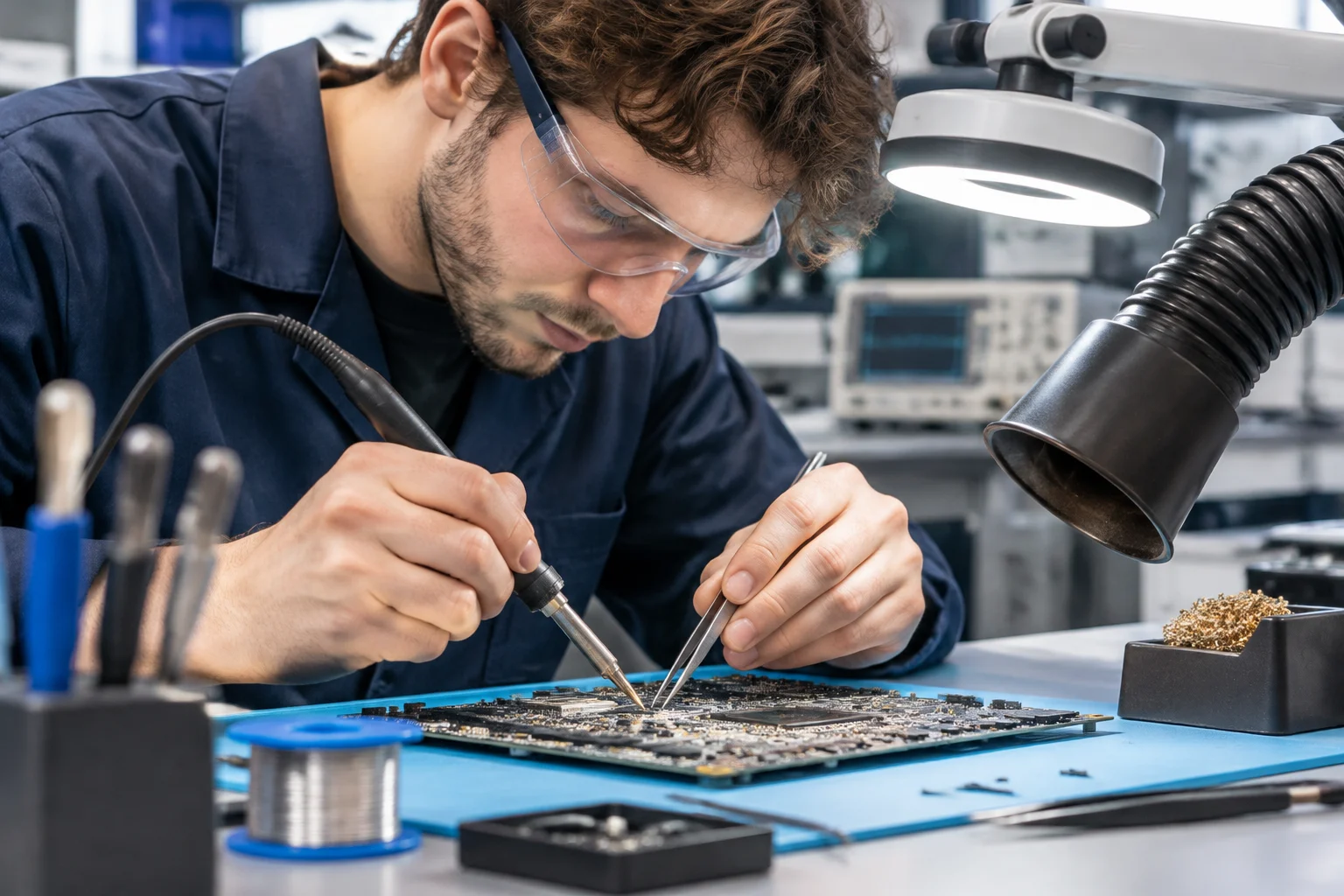
The moment a prototype moves from a breadboard to a custom printed circuit board is where projects either succeed or stall for months. Schematics might look flawless on a computer screen, but copper traces introduce capacitance, clock signals pick up interference, and power lines ripple under load. Software must compensate for these physical imperfections.
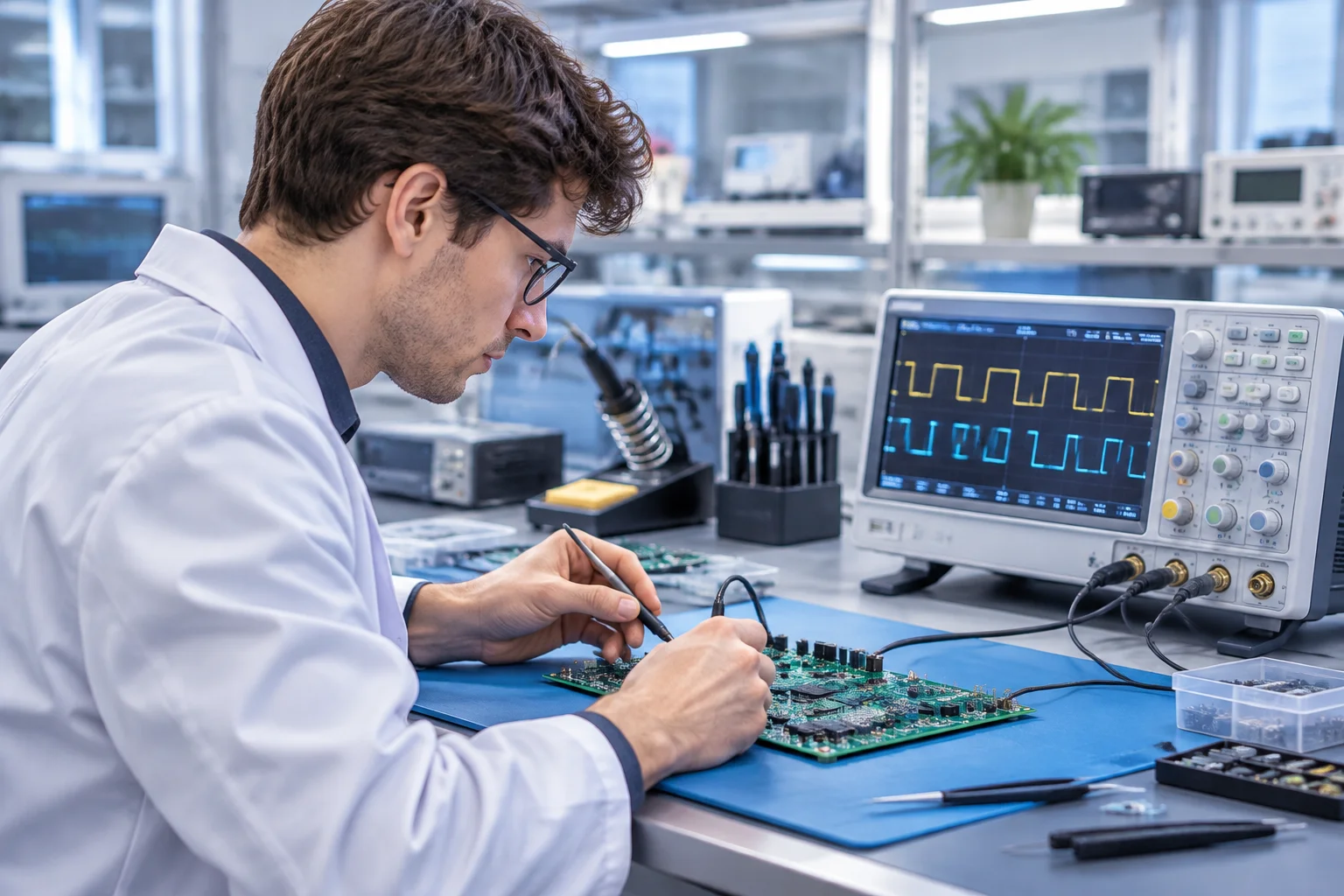
Debugging hardware integration issues takes specialized tools and methodical thinking. Logic analyzers, oscilloscopes, and in-circuit debuggers become daily companions during this phase. Engineers trace signals pin by pin, watching memory registers update in real time to catch timing mismatches that automated test suites completely miss.
Communication protocols add another layer of complexity. Whether the device talks over LoRaWAN, Zigbee, cellular IoT, or standard Wi-Fi, network drops are inevitable. Robust firmware anticipates these interruptions, buffering data locally and handling reconnections gracefully. Otherwise, a brief router reboot turns into a permanent device failure requiring a manual truck roll.
Ongoing Maintenance and Field Support
Shipping the first batch of devices is only the halfway mark. Once hardware enters the wild, users find new ways to break it, interference patterns shift, and security threats evolve. Firmware requires updates, patches, and occasional feature expansions long after the initial manufacturing run concludes.
Building over-the-air update mechanisms into the initial codebase prevents logistical nightmares later. However, flashing code remotely over a flaky wireless link carries inherent risks. If an update packet corrupts halfway through, the device turns into an expensive brick. Safe bootloaders with dual-image fallback mechanisms solve this problem by reverting to a known good state if the new firmware fails verification.
Long-term technical support means monitoring device fleets for anomalies before they turn into widespread failures. Analyzing crash dumps, tracking battery drain rates across different hardware revisions, and refining algorithms based on field telemetry keeps products competitive and reliable. Technology shifts quickly, and devices that cannot adapt through software updates are destined for early obsolescence.